
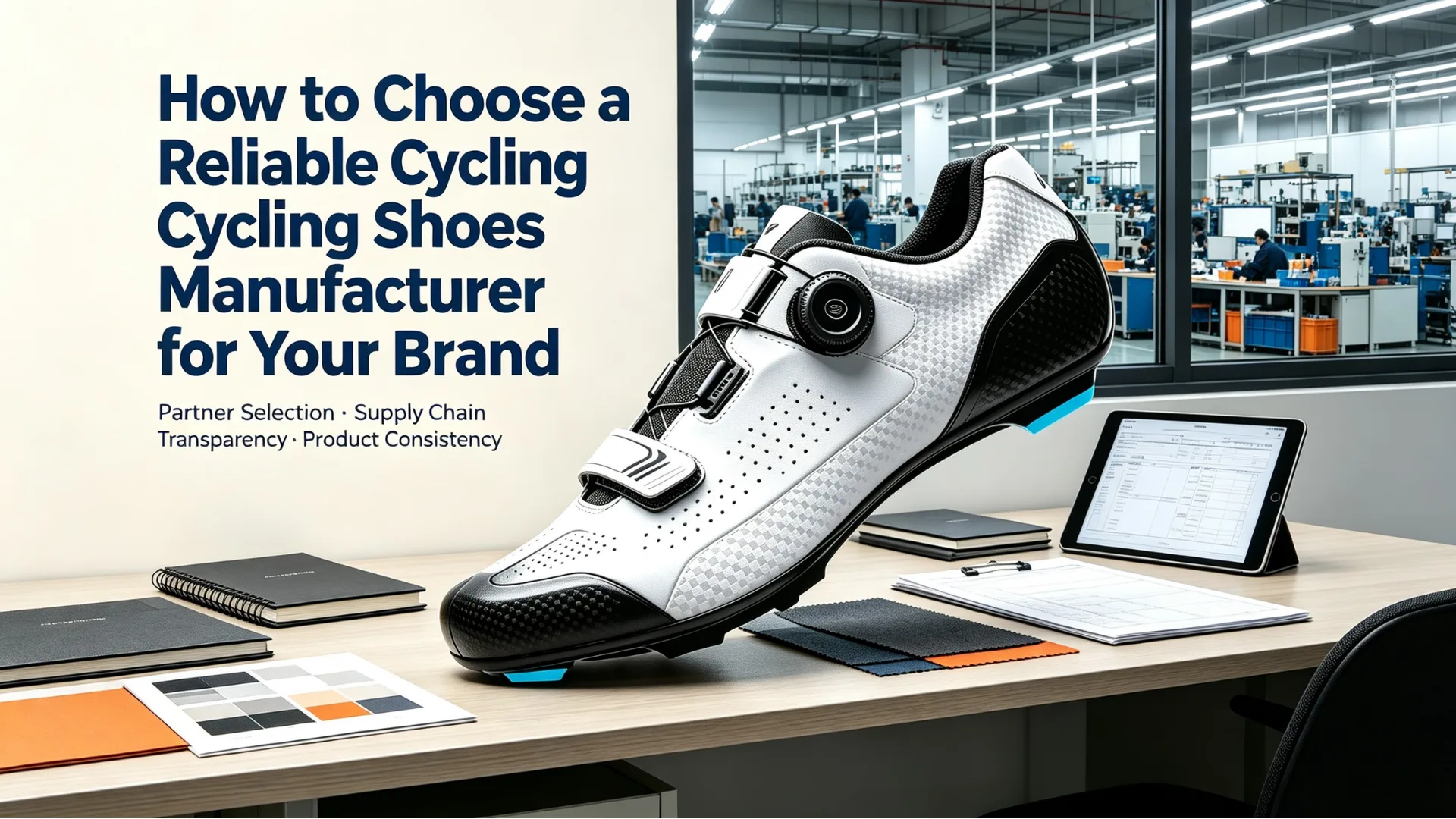
How to Choose a Reliable Cycling Shoes Manufacturer for Your Brand
Choosing the right cycling shoes manufacturer is one of the most important decisions for brands, distributors, and retailers entering the cycling footwear market.
A reliable manufacturing partner does more than simply produce shoes. The right OEM supplier can help you develop competitive products, maintain consistent quality, reduce production risks, and build long-term market success.
With increasing demand for road cycling shoes, mountain bike shoes, indoor cycling shoes, and triathlon footwear, selecting the right factory has become more challenging than ever.
This guide explains the key factors you should consider when choosing a professional cycling shoe manufacturer.
1. Evaluate the Manufacturer’s Industry Experience
The first thing to consider is manufacturing experience.
A professional cycling shoes manufacturer should understand:
- Different cycling disciplines
- Rider requirements
- Foot ergonomics
- Sole stiffness and power transfer
- Material performance
- Production techniques
Cycling shoes are technical footwear products. Unlike ordinary sports shoes, they require precise construction to balance:
- Comfort
- Pedaling efficiency
- Durability
- Weight
- Breathability
A factory with cycling footwear experience can provide better solutions compared with general shoe manufacturers.
2. Check Factory Capability and Production Control
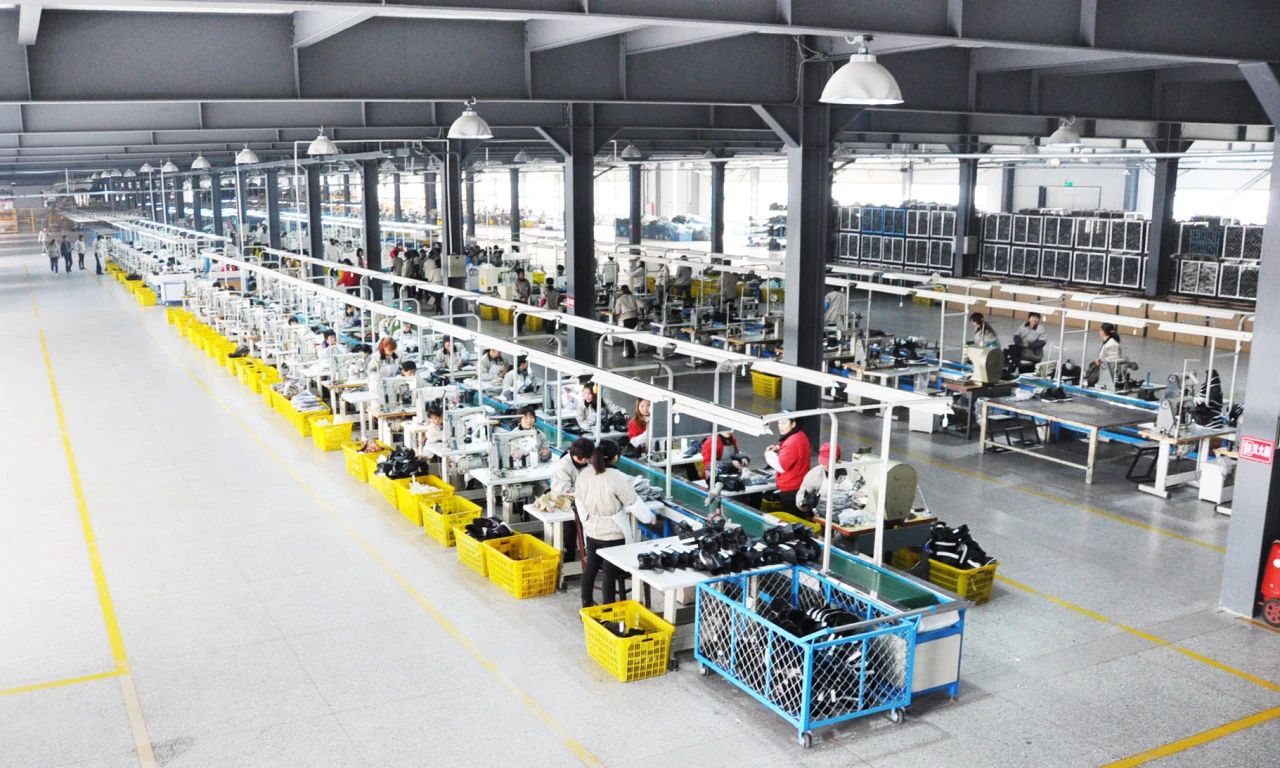
Many suppliers claim to be manufacturers, but not all have real production capabilities.
A reliable cycling shoe factory should have control over key production processes, including:
Material Selection
Professional manufacturers should understand materials such as:
- Microfiber leather
- Carbon fiber plates
- Nylon composite soles
- TPU structures
- Mesh fabrics
Upper Production
The upper affects:
- Breathability
- Fit
- Durability
- Rider comfort
Sole Development
The sole is one of the most important components of cycling shoes.
Different applications require different solutions:
- Carbon fiber sole for professional road cycling
- Nylon composite sole for versatile riding
- TPU/rubber outsole for MTB and casual riding
A manufacturer with complete production control can provide more stable quality and customization options.
3. Look for Strong OEM and ODM Development Ability
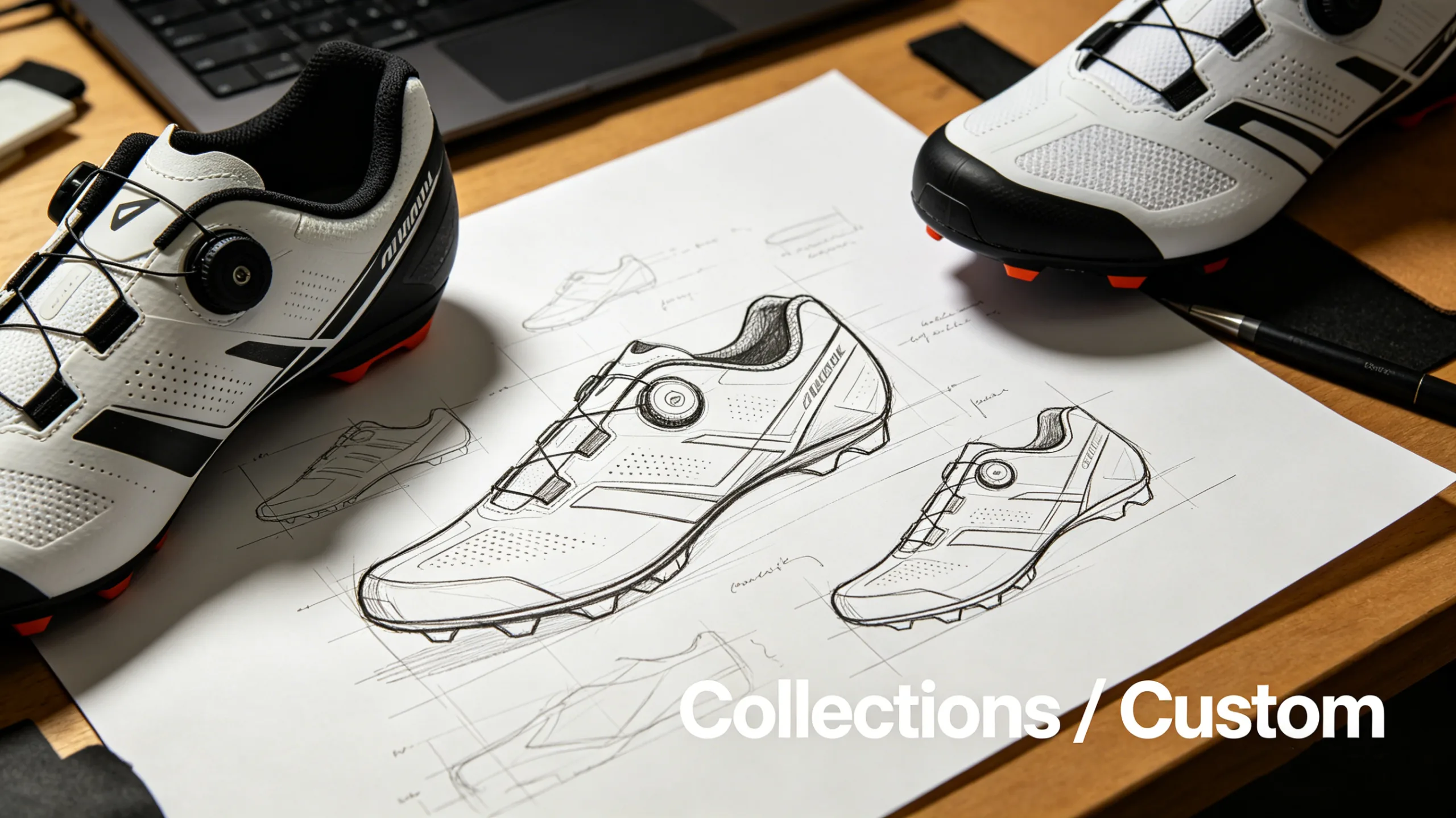
For brands that want to create unique products, OEM and ODM capability is essential.
A professional OEM cycling shoes manufacturer should support:
Product Customization
Including:
- Upper materials
- Colors
- Logo printing
- Packaging
- Sole selection
- Structural improvements
New Product Development
ODM services allow brands to develop new cycling shoes based on market needs.
A capable factory can assist with:
- Product concepts
- Material recommendations
- Prototype development
- Testing
- Mass production
This helps brands launch competitive products faster.
4. Understand Quality Control Procedures
Quality consistency is critical for long-term business cooperation.
Before choosing a supplier, ask:
- How does the factory inspect materials?
- Is there quality control during production?
- Are finished products tested before shipment?
Important inspection points include:
Upper Quality
Checking:
- Stitching quality
- Material consistency
- Surface defects
Sole Performance
Checking:
- Bonding strength
- Durability
- Structural stability
Final Assembly
Checking:
- Closure system performance
- Overall appearance
- Packaging quality
A reliable manufacturer should have a clear quality control process.
5. Choose a Manufacturer That Understands Different Cycling Markets
Different riders need different cycling shoes.
A professional supplier should understand different product categories.
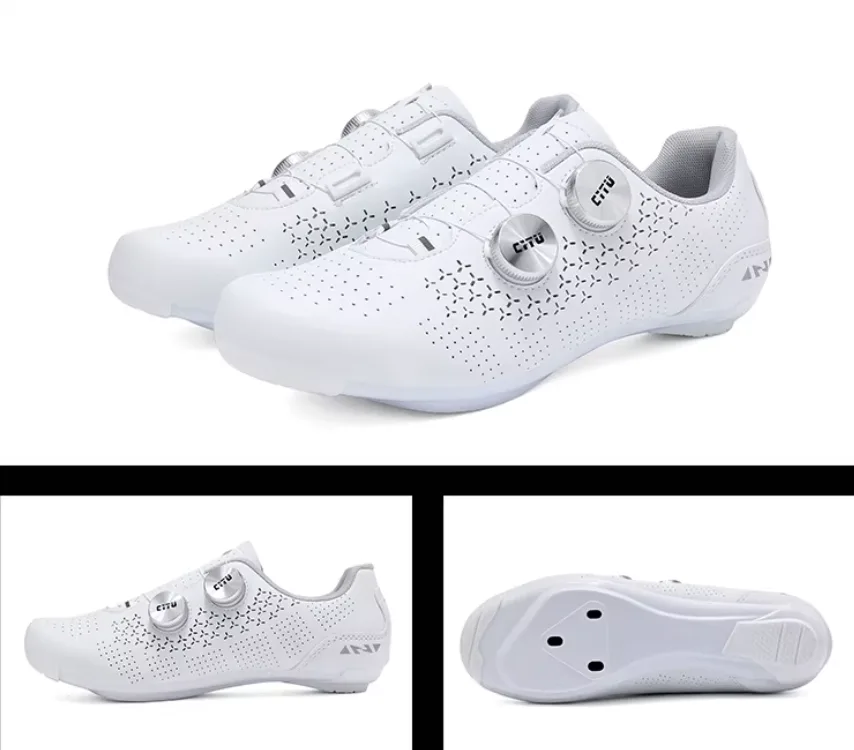
Road Cycling Shoes
Designed for:
- Maximum power transfer
- Lightweight performance
- Long-distance riding
Common features:
- Carbon fiber sole
- 3-bolt cleat compatibility
- Rotary buckle system
Mountain Bike Shoes
Designed for:
- Stability
- Grip
- Durability
Common features:
- SPD compatibility
- Anti-slip outsole
- Reinforced protection
Indoor Cycling Shoes
Designed for:
- Comfort
- Breathability
- Repetitive training
Common features:
- Comfortable fit
- Ventilation
- Stable heel support
Triathlon Cycling Shoes
Designed for:
- Fast transitions
- Lightweight construction
- Race performance
Common features:
- Quick adjustment system
- Breathable materials
- Efficient power transfer
6. Consider Communication and Long-Term Partnership
Price is important, but it should not be the only factor.
A good manufacturing partner should provide:
- Fast communication
- Technical support
- Flexible solutions
- Reliable delivery
For brands and distributors, a long-term partnership with a professional cycling footwear supplier creates more value than simply finding the lowest price.
Why Partner with Seiki-Sport?
Seiki-Sport specializes in cycling shoes manufacturing, providing OEM and ODM solutions for global cycling brands, distributors, and retailers.
Our product range includes:
With in-house manufacturing experience and expertise in materials, sole technology, and cycling footwear development, we help partners create reliable and competitive cycling shoe products.
From initial concept to finished production, Seiki-Sport supports every stage of the manufacturing process.
Conclusion
Choosing the right cycling shoes manufacturer requires careful evaluation of production capability, technical expertise, customization ability, and quality control.
A reliable OEM partner can help your brand develop better products, reduce risks, and achieve long-term growth in the cycling market.
If you are looking for a professional cycling shoe factory for OEM or ODM projects, Seiki-Sport is ready to support your next cycling footwear development.
Looking for a Reliable Cycling Shoes Manufacturer?
Contact Seiki-Sport for OEM and ODM cycling shoe solutions.