
❄️ Introduction
Riding in winter conditions requires more than just determination—it requires the right equipment. Standard cycling shoes often fail in cold weather, leading to numb toes, reduced performance, and discomfort.
This guide will help you choose the best winter cycling shoes for MTB and road riding, so you can stay warm, stable, and efficient even in low temperatures.
🧠 Why You Need Winter Cycling Shoes
Winter cycling shoes are specifically designed to solve three major problems:
- Heat loss in cold weather
- Reduced foot sensitivity
- Loss of grip and stability
Unlike standard shoes, winter cycling shoes include insulation layers, improved grip soles, and weather-resistant materials.
🧤 Key Features of the Best Winter Cycling Shoes
❄️ 1. Thermal Insulation (Fleece Lining)
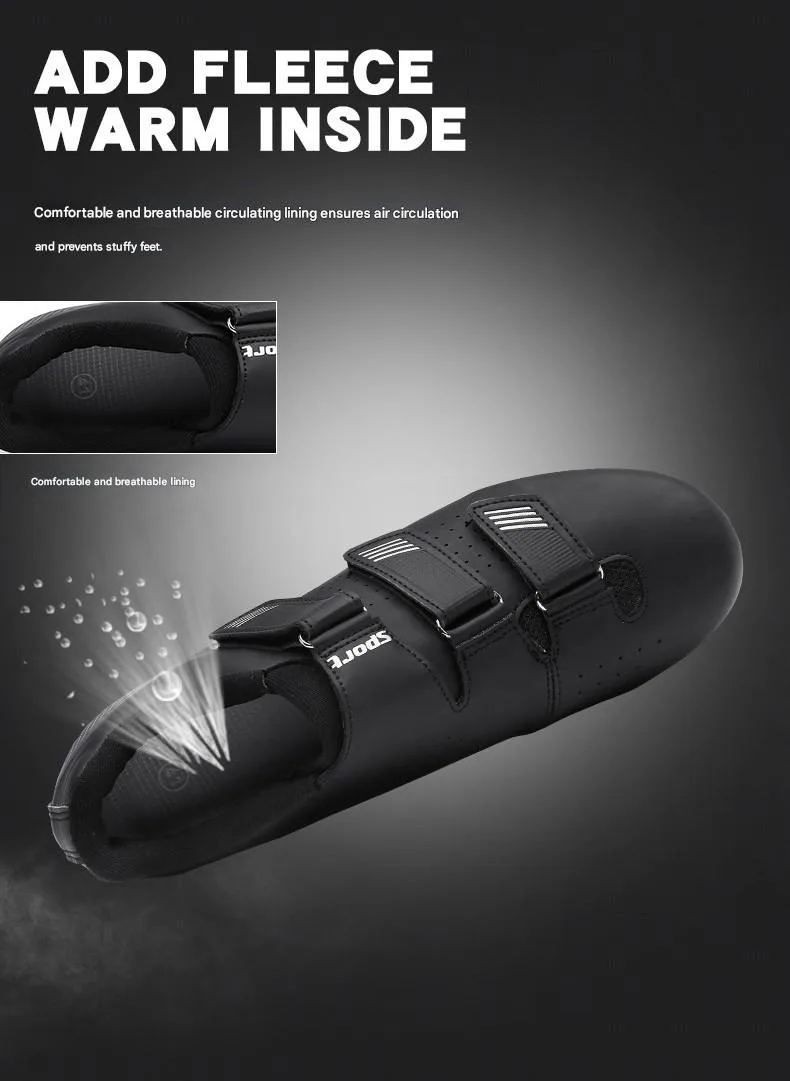
A proper winter cycling shoe must include insulation such as fleece or thermal lining.
Benefits:
- Keeps feet warm in low temperatures
- Prevents numbness during long rides
- Maintains comfort in freezing conditions
👉 This is the most important winter feature.
🌬 2. Breathability + Temperature Balance
Good winter shoes are not just warm—they must also breathe.
- Prevents sweat buildup
- Avoids internal moisture freezing
- Keeps long rides comfortable
🦶 3. Non-Slip Sole for Winter Conditions
Winter roads and trails are often wet, muddy, or icy.
Best materials include:
- Rubber outsole
- TPU reinforced grip
- Nylon composite structure
These ensure stability in unpredictable terrain.
🚴 4. Secure Closure System
Winter gloves make adjustments harder, so closure systems matter:
- Velcro straps → easy with gloves
- Rotary buckle → fast micro-adjustment
- BOA system → precision fit control
🏔 Winter MTB vs Road Cycling Shoes
🚵 MTB Winter Cycling Shoes
Best for:
- Trails
- Gravel
- Muddy terrain
Features:
- Aggressive grip sole
- SPD compatibility (2-bolt)
- Toe protection
- Durable upper materials
👉 Example:
/mtb-cycling-shoes-fleece-winter-sq9911/

🚴 Road Winter Cycling Shoes
Best for:
- Long-distance road riding
- Cold training rides
Features:
- Higher stiffness sole
- SPD-SL compatibility (3-bolt)
- Aerodynamic design
- Lightweight insulation
🧥 What Makes a Good Winter Cycling Shoe?
The best winter cycling shoes include:
- Fleece or thermal lining
- Wind-resistant upper material
- Anti-slip outsole
- Reinforced heel support
- Secure closure system
⚠️ Common Mistakes When Buying Winter Cycling Shoes
- Choosing shoes without insulation
- Using summer road shoes in winter
- Ignoring outsole grip
- Buying too tight fit (reduces circulation)

🧪 When Should You Use Winter Cycling Shoes?
You should switch to winter cycling shoes when:
- Temperature drops below 10°C (50°F)
- Riding in rain or snow
- Long outdoor training sessions
- Early morning or night rides
🧠 Why Our Winter Cycling Shoes Stand Out
Our cycling shoes are designed for real winter riding conditions:
- Fleece-lined thermal comfort
- MTB & road compatibility
- Anti-slip durable outsole
- Breathable moisture control system
- Multiple closure systems (Velcro / rotary buckle)
👉 Explore collection:
🌍Relevant reference information
- https://www.bicycling.com/gear/a20048816/best-cycling-shoes/
- https://www.rei.com/learn/expert-advice/cycling-shoes.html
❓ FAQ
Q1: Do I really need winter cycling shoes?
Yes, they prevent heat loss and improve control in cold conditions.
Q2: Can I use MTB shoes in winter?
Yes, but winter MTB shoes with insulation are much better.
Q3: What temperature needs winter cycling shoes?
Generally below 10°C.
Q4: Are winter cycling shoes waterproof?
Some models are water-resistant, but not fully waterproof unless specified.
Q5: Are Velcro shoes good for winter cycling?
Yes, they are easier to adjust while wearing gloves.
Looking for high-quality winter cycling shoes for your brand or wholesale business?
We supply:
- MTB winter cycling shoes
- Road winter cycling shoes
- OEM & private label options
👉 Contact us for bulk pricing
👉 Get custom logo cycling shoes
👉 Request product catalog