
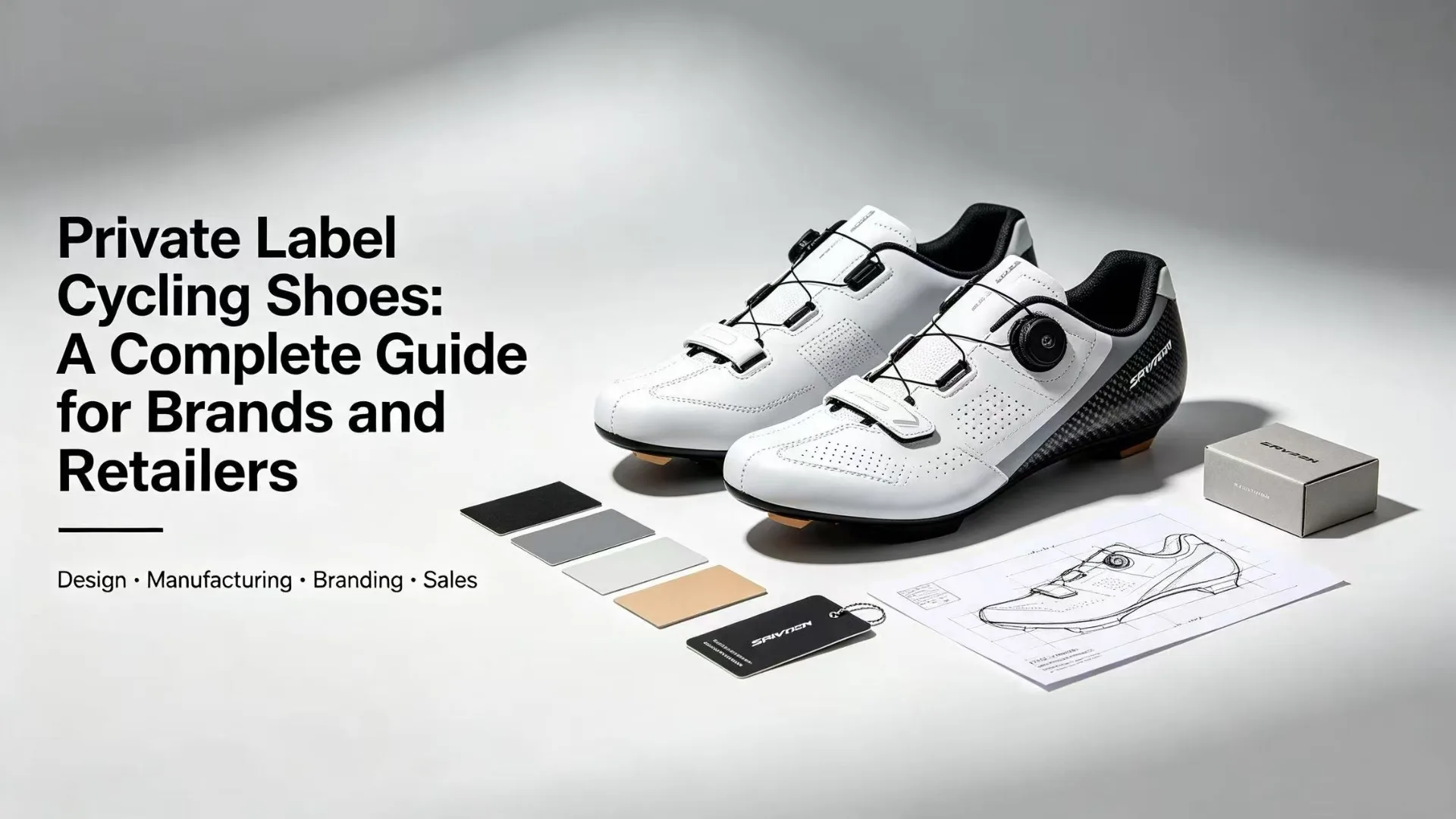
The cycling industry continues to grow worldwide, creating new opportunities for brands, retailers, and distributors who want to develop their own cycling footwear products.
Instead of selling generic products from the market, many companies are now looking for private label cycling shoes to build their own brand identity, create unique products, and improve their competitiveness.
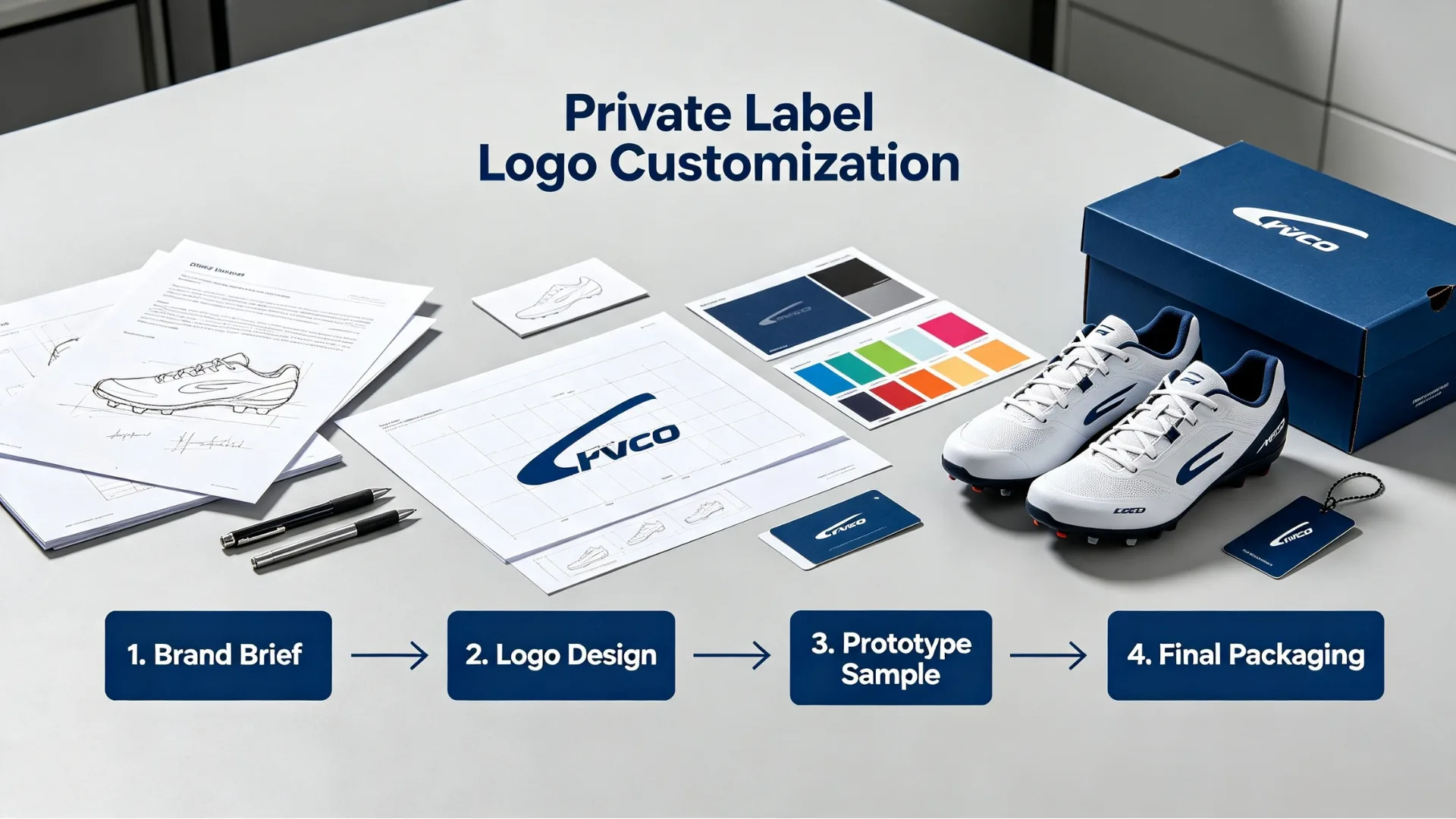
Private label cycling shoes allow businesses to customize footwear based on their target customers, including product design, materials, colors, logos, packaging, and performance features.
However, developing your own cycling shoes requires professional knowledge of footwear design, material selection, manufacturing processes, and quality control.
In this guide, we will explain everything you need to know about private label cycling shoes, including customization options, development processes, and how to choose the right manufacturing partner.
What Are Private Label Cycling Shoes?
Private label cycling shoes are products manufactured by a professional cycling footwear factory but sold under your own brand name.
Instead of purchasing existing products and competing with other sellers, brands can work with a manufacturer to create customized cycling shoes that match their market positioning.
A private label project usually includes:
- Custom brand logo
- Customized shoe colors
- Unique designs
- Selected materials
- Customized packaging
- Product specifications based on customer requirements
This business model is widely used by cycling brands, sporting goods companies, online retailers, and distributors.
Compared with traditional wholesale products, private label bike shoes provide more flexibility and allow companies to create a stronger connection with their customers.
Why Choose Private Label Cycling Shoes for Your Brand?
1. Build a Unique Brand Identity
The cycling shoe market is highly competitive. Many sellers offer similar products, making it difficult to stand out.
With private label cycling shoes, brands can create products that are different from standard market offerings.
Customization options may include:
- Exclusive color combinations
- Brand logos
- Special material choices
- Different sole designs
- Unique product positioning
For example, a brand focusing on mountain biking may develop durable MTB cycling shoes with reinforced toe protection and strong grip, while an indoor cycling brand may prefer lightweight and breathable designs for spin classes.
A customized product helps your brand create a stronger market presence.
2. Improve Profit Margins
Selling private label products allows businesses to control their pricing strategy.
Instead of competing only on price with identical products, brands can focus on:
- Product quality
- Brand value
- Customer experience
- Marketing advantages
A well-designed private label cycling shoe can create higher perceived value and better long-term profitability.
3. Create Products for Specific Customer Groups
Different cyclists have different needs.
Road cyclists usually look for:
- Lightweight construction
- Efficient power transfer
- Aerodynamic design
Mountain bikers often need:
- Better durability
- Strong traction
- Protection on rough terrain
Indoor cycling users prefer:
- Comfort
- Breathability
- Easy adjustment
Through private label production, brands can develop products specifically designed for their target customers.
Customization Options for Private Label Cycling Shoes
A professional cycling footwear manufacturer can provide multiple customization solutions.
1. Upper Material Selection
The upper material directly affects comfort, durability, and appearance.
Common options include:
Microfiber Leather
Microfiber leather is widely used in performance cycling shoes because it provides:
- Lightweight construction
- Good durability
- Easy maintenance
- Premium appearance
Nano Mesh Materials
Nano mesh materials provide:
- Better airflow
- Reduced weight
- Improved ventilation
They are suitable for riders who need comfortable shoes during long-distance riding.
2. Sole Options
The outsole is one of the most important components of cycling shoes because it affects stiffness, stability, and power transfer.
Popular sole options include:
Nylon + TPU Sole
A balanced choice offering:
- Good stiffness
- Durability
- Comfortable riding experience
Suitable for road cycling, MTB, and recreational riding.
Carbon Fiber Sole
Designed for performance-oriented riders who require:
- Maximum stiffness
- Efficient power transfer
- Lightweight construction
Rubber Outsole
Ideal for casual cycling and urban riding because it provides:
- Better walking comfort
- Anti-slip performance
- Everyday usability
3. Closure System Customization
Different riders prefer different adjustment systems.
Private label cycling shoes can be customized with:
BOA Dial System
Advantages:
- Precise adjustment
- Quick tightening
- Professional appearance
Velcro Strap
Advantages:
- Simple operation
- Lightweight design
- Cost-effective solution
Combination Closure
Some models combine rotary dials with straps to provide both convenience and secure fitting.
4. Branding and Packaging
A complete private label project usually includes:
- Logo printing
- Custom labels
- Custom shoe boxes
- Packaging design
- Product photography support
These details help create a complete brand experience.
The Development Process of Private Label Cycling Shoes
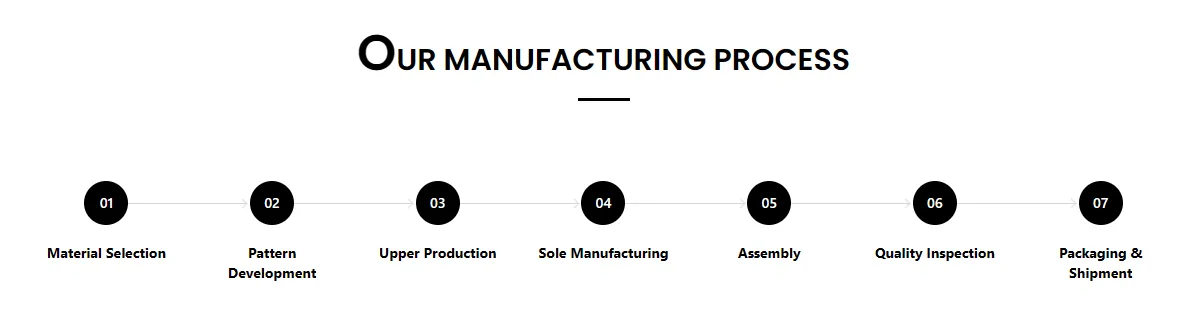
Developing custom cycling footwear usually involves several important stages.
Step 1: Product Concept Discussion
The process starts with understanding your market requirements.
Brands usually provide:
- Product ideas
- Reference samples
- Design concepts
- Target customer information
The manufacturer then evaluates feasibility and provides professional suggestions.
Step 2: Material and Design Selection
After confirming the product direction, the next step is selecting:
- Upper materials
- Sole structure
- Closure system
- Colors
- Functional features
Professional manufacturers can recommend suitable solutions based on your target market.
Step 3: Prototype and Sample Development
Before mass production, samples are created for evaluation.
The sample process helps confirm:
- Appearance
- Comfort
- Size fitting
- Product performance
- Brand details
Testing and improvements at this stage help ensure the final product meets expectations.
Step 4: Mass Production and Quality Control
After sample approval, production begins.
A reliable manufacturer should control every stage, including:
- Material inspection
- Production monitoring
- Assembly quality
- Final inspection
Consistent quality is essential for building long-term brand reputation.
How to Choose the Right Private Label Cycling Shoes Manufacturer?
Choosing the right manufacturing partner is one of the most important decisions for your brand.
Here are several factors to consider:
Manufacturing Experience
A professional factory should have experience producing different types of cycling footwear, including:
- Road cycling shoes
- Mountain bike shoes
- Indoor cycling shoes
- Casual cycling shoes
Experience helps reduce development risks.
Customization Capability
A strong private label partner should be able to support:
- Material selection
- Product customization
- Logo application
- Packaging solutions
- New product development
The more customization options available, the easier it is to create unique products.
Quality Control System
Cycling shoes directly affect rider comfort and performance.
Manufacturers should have strict quality control procedures to ensure:
- Accurate sizing
- Strong bonding
- Reliable stitching
- Durable materials
Communication and Support
Successful OEM projects require clear communication.
A good supplier should provide support throughout:
- Product development
- Sample confirmation
- Production
- Shipping preparation
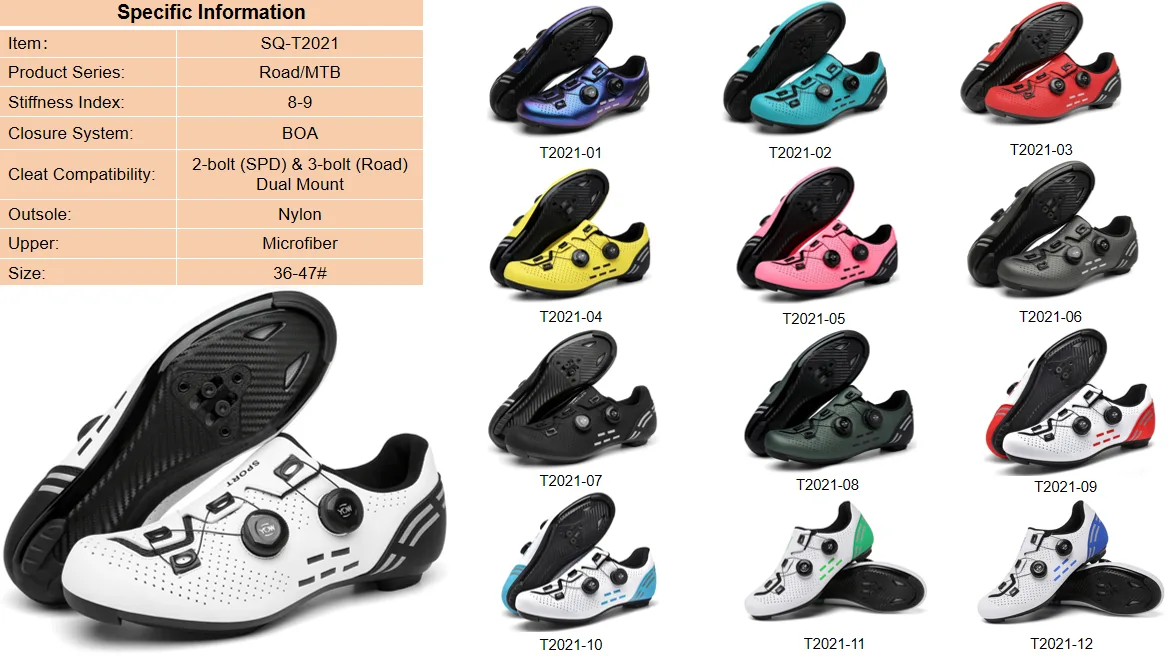
Popular Private Label Cycling Shoes Categories
Brands can develop different types of cycling footwear depending on their market focus.
Private Label Road Cycling Shoes
Designed for performance-focused riders who need:
- Lightweight construction
- High stiffness
- Efficient power transfer
Common features include carbon fiber soles, BOA systems, and aerodynamic designs.
Private Label Mountain Bike Shoes
Built for outdoor adventures and challenging terrain.
Popular features include:
- Durable uppers
- Anti-slip soles
- Toe protection
- SPD compatibility
Private Label Indoor Cycling Shoes
Designed for spin studios, gyms, and home training.
Important features include:
- Breathable materials
- Comfortable fit
- Easy adjustment
- Stable pedal connection
Private Label Casual Cycling Shoes
Suitable for urban riders and daily commuters.
These shoes usually focus on:
- Walking comfort
- Versatility
- Stylish appearance
MOQ and Production Considerations
Before starting a private label project, brands should consider several factors.
Minimum Order Quantity (MOQ)
MOQ depends on:
- Product complexity
- Materials
- Customization requirements
A simple customization project may require lower quantities, while fully customized models may require higher production volumes.
Development Cost
Potential costs may include:
- Sample development
- Mold fees (for customized soles)
- Packaging design
- Testing costs
Understanding these costs helps brands plan their product strategy effectively.
Production Timeline
The timeline depends on:
- Design complexity
- Sample approval speed
- Production schedule
Early planning helps ensure products are ready for market launches.
Why Work With Seiki-Sport for Private Label Cycling Shoes?
At Seiki-Sport, we specialize in developing and manufacturing cycling footwear for global brands, retailers, and distributors.
With our own production capabilities, we support customers from initial concept development to finished products.
Our services include:
- Custom cycling shoe development
- OEM and ODM solutions
- Material selection
- Logo customization
- Quality control
- Production support
Whether you are launching a new cycling brand or expanding your existing product line, we can help create cycling shoes designed for your target market.
Conclusion
Private label cycling shoes provide brands with an opportunity to create unique products, strengthen market positioning, and build long-term customer value.
From material selection and design customization to production and quality control, choosing the right manufacturing partner is essential for success.
If you are looking for a reliable private label cycling shoes manufacturer to develop your own cycling footwear collection, Seiki-Sport is ready to support your project.
Contact us today to discuss your custom cycling shoe requirements.