
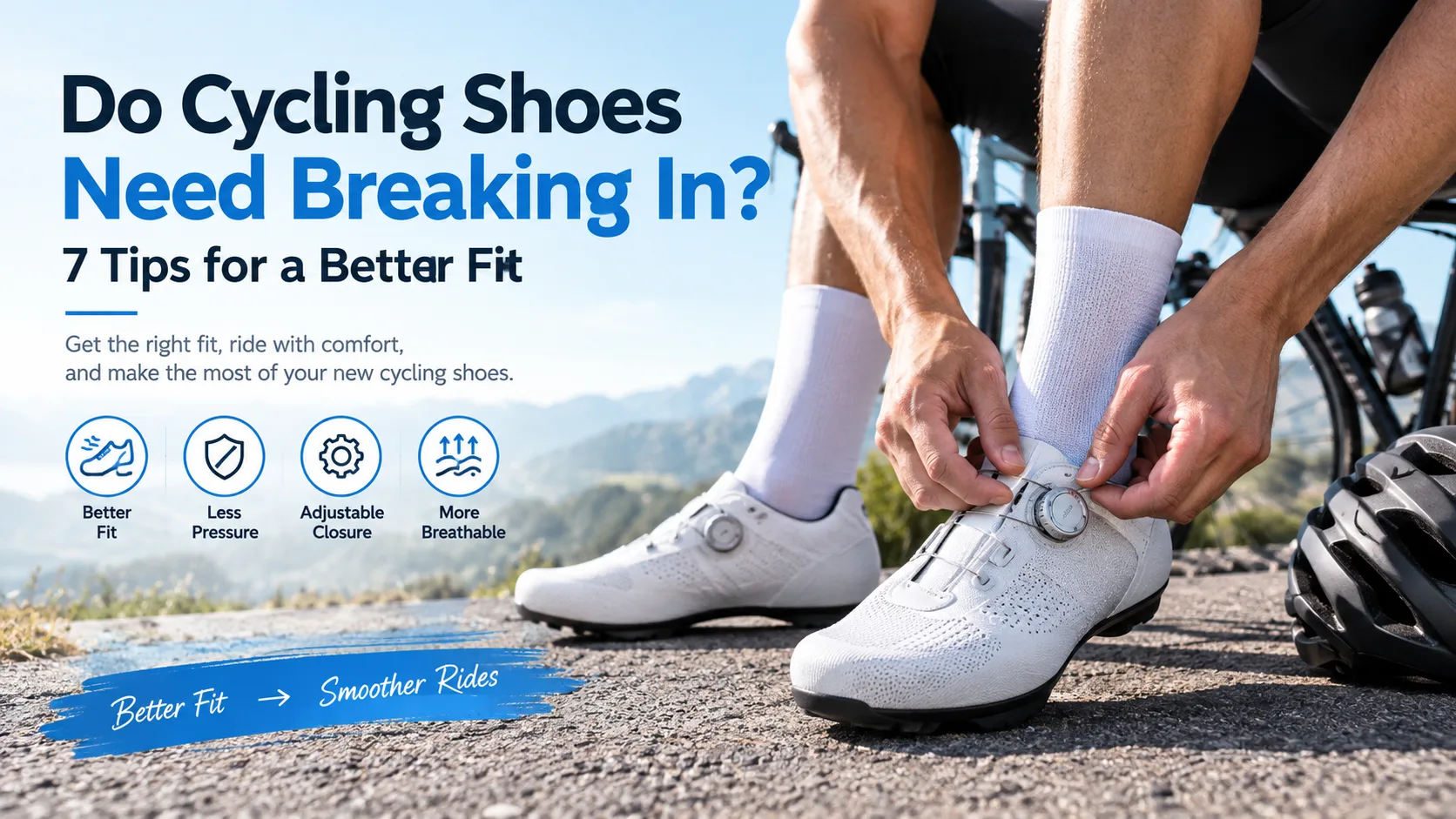
New cycling shoes can feel different from your everyday sneakers. They may have a stiffer sole, a closer fit, and a more structured upper designed to keep your foot stable while pedaling. But does that mean you need to break them in before riding comfortably?
The short answer: cycling shoes should feel secure and reasonably comfortable from the start. Some uppers and internal padding may adapt slightly with use, but you should not expect a poorly fitting shoe to become comfortable simply by wearing it longer. Persistent pinching, numbness, or painful pressure may indicate a sizing or fit problem rather than a normal break-in period.
In this guide, you will learn how to break in new cycling shoes safely, recognize common fit problems, and decide when to adjust your setup or consider a different shoe.
Do Cycling Shoes Need Breaking In?
Unlike casual leather shoes, cycling shoes are designed to provide a secure connection between your feet and the pedals. Their soles are built to maintain a particular level of stiffness, while the upper and closure system hold the foot in position.
During initial use, some materials may settle or feel more familiar against your foot. However, cycling shoes should not need a long, painful break-in period.
The amount of adaptation depends on the shoe’s construction, upper material, internal padding, and fit. A flexible fabric upper may feel different from a heavily reinforced synthetic upper, but neither should be expected to stretch enough to correct a fundamentally wrong size.
A useful distinction is:
- Normal adjustment: The shoes feel unfamiliar but do not create painful pressure, and the fit remains secure.
- Potential fit problem: Your toes are compressed, the forefoot is pinched, or a specific area becomes increasingly painful.
- Potential sizing or shape mismatch: You experience persistent numbness, severe rubbing, or excessive foot movement despite reasonable closure adjustments.
If the shoes hurt during ordinary use, do not assume that riding more will solve the problem.
How to Break In New Cycling Shoes: 7 Practical Tips
1. Start by Checking the Fit
Before your first ride, put on the socks you normally wear for cycling and try both shoes.
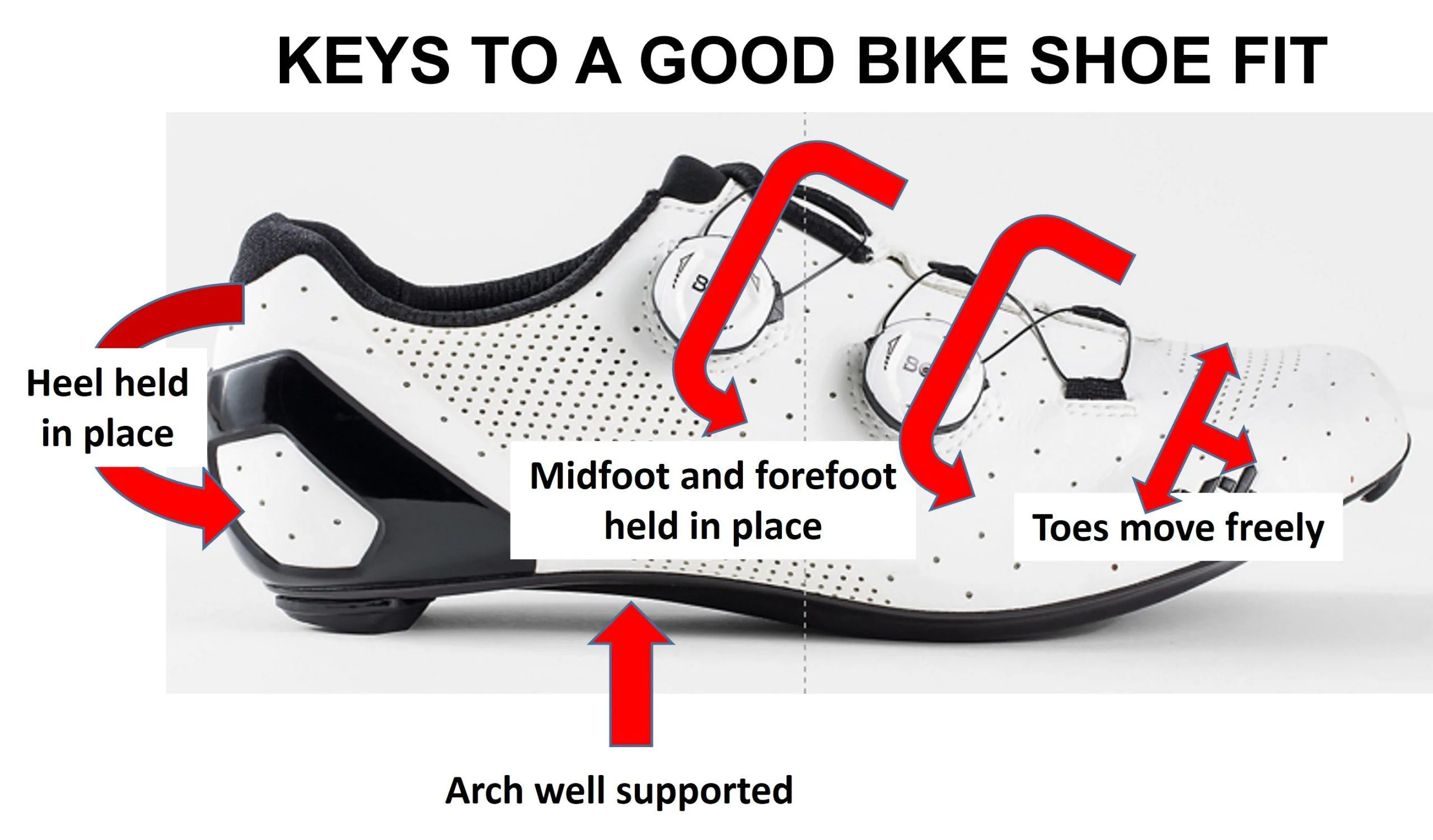
Check these four areas:
- Toes: They should sit naturally without being forced against the front of the shoe.
- Forefoot: The ball of your foot should not feel squeezed from the sides.
- Midfoot: The shoe should hold your foot securely without excessive pressure.
- Heel: Your heel should feel supported without significant unwanted movement while pedaling.
Cycling shoes generally fit more closely than casual footwear, but a snug fit should not mean a painful one.
If you are unsure whether the length or width is correct, read our cycling shoe size guide. Replace the example domain with your actual website domain before publishing.
2. Wear the Shoes Indoors First
Try wearing your new cycling shoes indoors for a short period while standing or sitting.
This helps you identify obvious pressure points before committing to a ride. Fasten the closure system only enough to secure your foot, then check whether the upper presses uncomfortably against your toes, instep, or forefoot.
Pay attention to whether the discomfort comes from the shoe’s shape or simply from the unfamiliar feeling of a structured cycling shoe.
Do not continue wearing shoes that cause significant pain just to complete a break-in session.
3. Begin with a Short, Easy Ride
Once the fit feels acceptable, start with a short, easy ride rather than a long training session or race.
A short ride gives you an opportunity to assess:
- Whether your foot stays stable during pedaling.
- Whether the closure system creates uneven pressure.
- Whether the heel moves excessively while riding.
- Whether discomfort develops after several minutes.
There is no universal number of rides or mileage required to break in cycling shoes. Some shoes feel comfortable immediately, while others may need a little time for the upper or padding to settle.
Increase your ride duration only when the shoes remain comfortable.
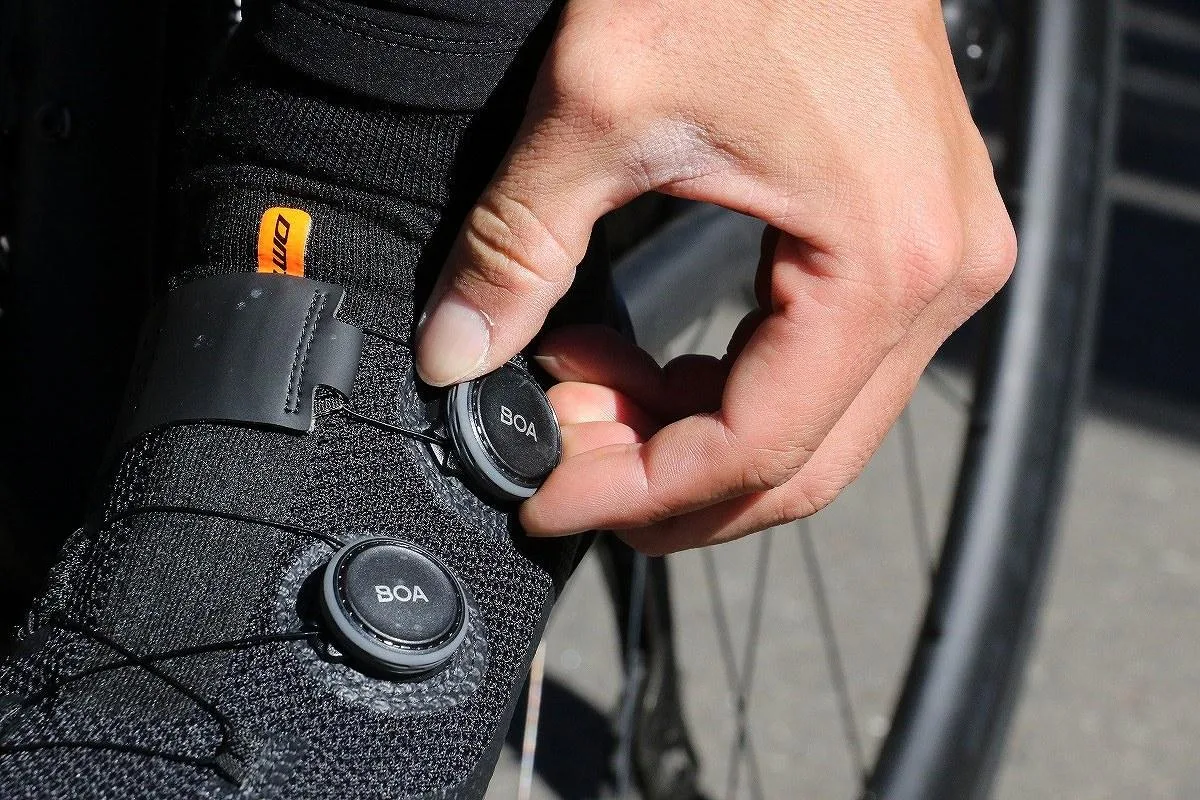
4. Adjust the Closure System Gradually
A common mistake is tightening new cycling shoes too much in an attempt to eliminate all movement.
Instead, fasten the shoe until it feels secure, then make small adjustments as needed. The goal is to hold the foot in place without creating unnecessary pressure across the instep or forefoot.
Different closure systems offer different adjustment methods:
- Rotary dial closures: Allow convenient tension adjustments.
- Hook-and-loop straps: Make it easy to adjust tension in individual areas.
- Laces: Offer several points for distributing pressure across the upper.
If the shoe becomes painful whenever you tighten it enough to prevent slipping, the underlying fit may be wrong. A closure system can fine-tune a suitable fit, but it cannot reliably compensate for an incorrect shoe size or shape.
For a more detailed comparison, read our guide to BOA vs. Velcro vs. laces in cycling shoes. Replace the example domain with the actual article URL.
5. Use the Right Cycling Socks
Your socks affect how much space your foot occupies inside the shoe.
Thick everyday socks may create extra pressure, while very thin socks may change the feel of the shoe or allow more movement. Start with the type of cycling socks you normally intend to wear.
If you are testing a shoe for regular training, evaluate it under realistic conditions rather than using a different sock thickness each time.
However, do not rely on thinner socks to compensate for a shoe that is clearly too narrow or too short.
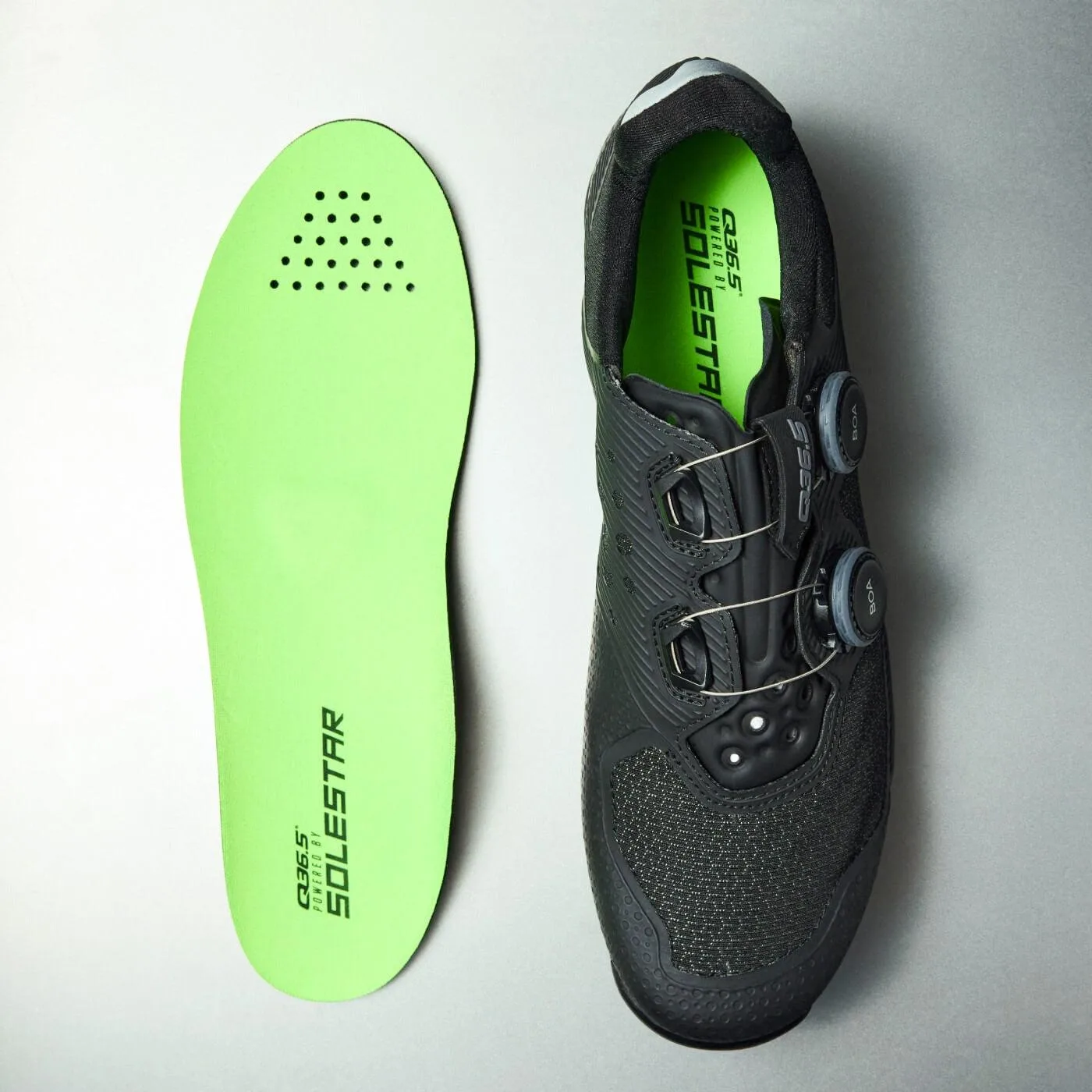
6. Check Your Insoles and Foot Support
The insole affects the feel and support inside a cycling shoe. If the shoe feels uncomfortable around the arch or forefoot, consider whether the insole is seated correctly or whether its shape suits your foot.
Make sure the insole lies flat and is not folded, displaced, or creating an obvious pressure point.
Some shoes allow compatible replacement insoles or footbeds. If you are considering a different insole, check that it is suitable for the shoe and does not make the internal fit excessively tight.
Persistent discomfort may require a different shoe volume or professional fitting advice rather than repeated insole changes.
7. Increase Ride Duration Only When Comfortable
After the initial short ride, check how your feet feel during and after use.
If the shoe remains comfortable and secure, gradually return to your usual riding duration. There is no need to follow an arbitrary break-in schedule if the shoes already fit well.
If pressure or rubbing gets worse, stop and reassess the fit. Do not use a long ride to force the shoe to adapt.
How Long Does It Take to Break In Cycling Shoes?
There is no standard break-in period for every cycling shoe.
| Shoe construction or situation | What to expect |
|---|---|
| Well-fitting cycling shoes | May feel comfortable immediately |
| Knit or fabric upper | May adapt slightly with use, depending on construction |
| Structured synthetic upper | Usually designed to retain its shape, with limited stretching |
| Stiff road cycling sole | Should not be expected to soften significantly |
| Shoes that pinch or compress the toes | May have a size or shape mismatch rather than a break-in issue |
These are general expectations, not guaranteed timelines for every model. Material composition and shoe construction can vary significantly between manufacturers.
The important question is not how many days you have worn the shoes, but whether the fit remains comfortable and secure.
Why Do New Cycling Shoes Hurt?
If your new cycling shoes feel uncomfortable, identify where the problem occurs before trying to fix it.
| Symptom | Possible reason | What to check |
|---|---|---|
| Toes press against the front | Shoe may be too short | Check foot length and sizing |
| Forefoot feels squeezed | Shoe may be too narrow or low-volume | Consider a different width or last |
| Pressure across the instep | Upper shape or closure tension may be unsuitable | Loosen the closure and reassess fit |
| Heel moves excessively while pedaling | Heel fit or overall sizing may be unsuitable | Check heel hold and shoe shape |
| One specific area rubs repeatedly | Seam, lining, or local fit issue | Inspect the interior and upper |
| Numbness or worsening pain | Excessive pressure or another fit issue | Stop riding and reassess the fit |
These symptoms can have more than one cause. The table is a troubleshooting starting point, not a diagnosis.
Should Cycling Shoes Feel Tight at First?
Cycling shoes should feel snug enough to hold your foot securely, but they should not squeeze your toes or create painful pressure.
A shoe that feels slightly unfamiliar is different from one that restricts your foot. If you need to loosen the closure excessively to relieve pressure, the shoe’s shape or size may not suit you.
Can You Stretch Cycling Shoes?
It depends on the materials and construction, but you should not count on substantial stretching.
Many modern cycling shoes use synthetic materials and structured soles designed to maintain their shape. Some uppers may give slightly with use, but this varies by model.
Avoid using excessive heat, soaking, aggressive stretching devices, or other improvised methods to force a shoe to expand. These methods can damage materials, adhesives, or structural components.
If the shoe is too short or too narrow, exchanging it for a better-fitting size or model is usually more sensible than trying to stretch it.
Do Road, MTB, and Indoor Cycling Shoes Break In Differently?
The basic fit principles are similar, but shoe construction and intended use can differ.
Road Cycling Shoes
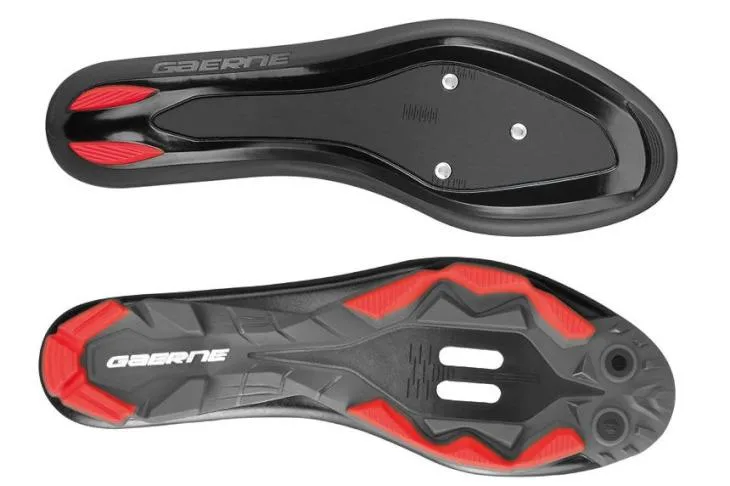
Road cycling shoes often use relatively stiff soles and structured uppers. They should provide a stable pedaling platform while holding the foot securely.
Do not expect a stiff road sole to become flexible through repeated riding.
Mountain Bike Cycling Shoes
MTB shoes vary widely. Cross-country models may have stiff soles, while trail-oriented models may prioritize more walking comfort and outsole grip.
The amount of flexibility and upper adaptation depends on the specific model. The shoe should still fit securely without painful pressure.
Indoor Cycling Shoes
Indoor cycling shoes can be used in relatively warm environments, so ventilation and fit comfort may become noticeable during longer sessions.
Try the shoes with your normal cycling socks and assess how they feel after a short indoor session before using them for a full class.
The correct approach is to evaluate the actual shoe construction and fit rather than assume every category needs the same break-in routine.
When Should You Stop Trying to Break In New Cycling Shoes?
Stop using the shoes and reassess the fit if you experience:
- Persistent or worsening pain.
- Numbness or significant compression.
- Toes that are forced against the front of the shoe.
- Repeated rubbing that causes skin irritation.
- Excessive movement that cannot be corrected with reasonable adjustments.
If discomfort persists, check the manufacturer’s return or exchange policy and consider professional bike-fitting advice when appropriate.
Do not continue riding through significant pain in the hope that the shoes will eventually become comfortable.
How to Choose Cycling Shoes That Feel Comfortable from Day One
A good break-in experience starts with choosing a shoe that matches your feet and riding style.
Before purchasing, consider:
- Length: Choose a size that allows your toes to sit naturally.
- Width and volume: Make sure the forefoot and instep are not compressed.
- Sole stiffness: Select a construction suited to your riding needs.
- Closure system: Choose an adjustment method that holds your foot securely without excessive pressure.
- Pedal compatibility: Confirm that the shoe works with your intended cleat or flat-pedal setup.
- Intended use: Road racing, MTB riding, and indoor cycling can require different combinations of stiffness, grip, and walking comfort.
For more information about construction choices, see our cycling shoe sole guide.
The best cycling shoe is not necessarily the stiffest or most expensive. It is the one that matches your foot shape, riding requirements, and preferred fit.
Frequently Asked Questions
Do cycling shoes need breaking in?
Not necessarily. Well-fitting cycling shoes may feel comfortable from the first ride. Some uppers or padding may adapt slightly, but a painful fit should not be treated as a normal requirement.
How many rides does it take to break in cycling shoes?
There is no fixed number. Some shoes feel right immediately, while others may settle slightly with use. Comfort and fit are more useful indicators than a specific mileage target.
Should new cycling shoes hurt?
No. They may feel more structured than casual shoes, but significant pain, pinching, numbness, or worsening pressure are warning signs that you should reassess the fit.
Do cycling shoes stretch over time?
Some materials may give slightly, but the amount varies. Many modern cycling shoe uppers are designed to retain their shape, and stiff soles are not expected to stretch significantly.
For more information about materials choices, see our cycling shoe materials guide.
Can I use a hair dryer to stretch cycling shoes?
It is not recommended as a general solution. Excessive heat can damage shoe materials, adhesives, and structural components. Follow the manufacturer’s care instructions instead.
Should I buy a larger size if my cycling shoes feel tight?
Not automatically. If the shoe is too short, a different size may help. If the length is correct but the forefoot feels narrow, a different width or shoe last may be more appropriate.
Are stiff cycling shoes less comfortable?
Not necessarily. Comfort depends on fit, internal support, upper construction, and pressure distribution as well as sole stiffness. A stiff shoe can be comfortable when its shape suits the rider’s foot.
Looking for Cycling Shoes for Your Own Brand?
For cycling footwear brands, retailers, and distributors, comfort begins with appropriate product design, material selection, and fit development.
Our team supports OEM and private label cycling shoe projects, with product options that can be discussed according to your target market, intended riding category, material preferences, closure system, and branding requirements.
If you are developing a new cycling shoe collection, contact us to discuss your requirements, sample options, and potential customization.
Tell us about your target market and preferred shoe design, and let’s discuss your cycling footwear project.